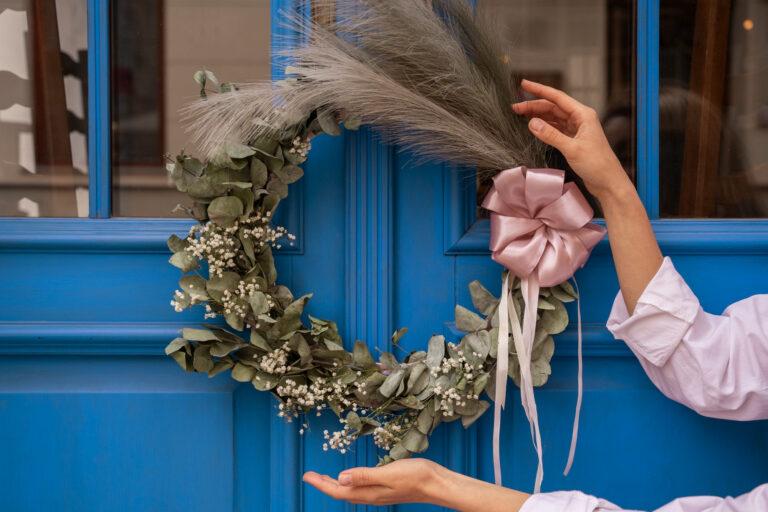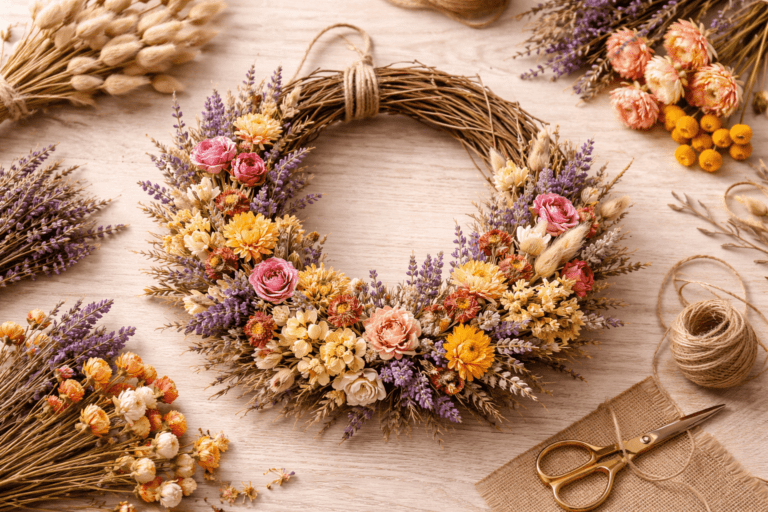
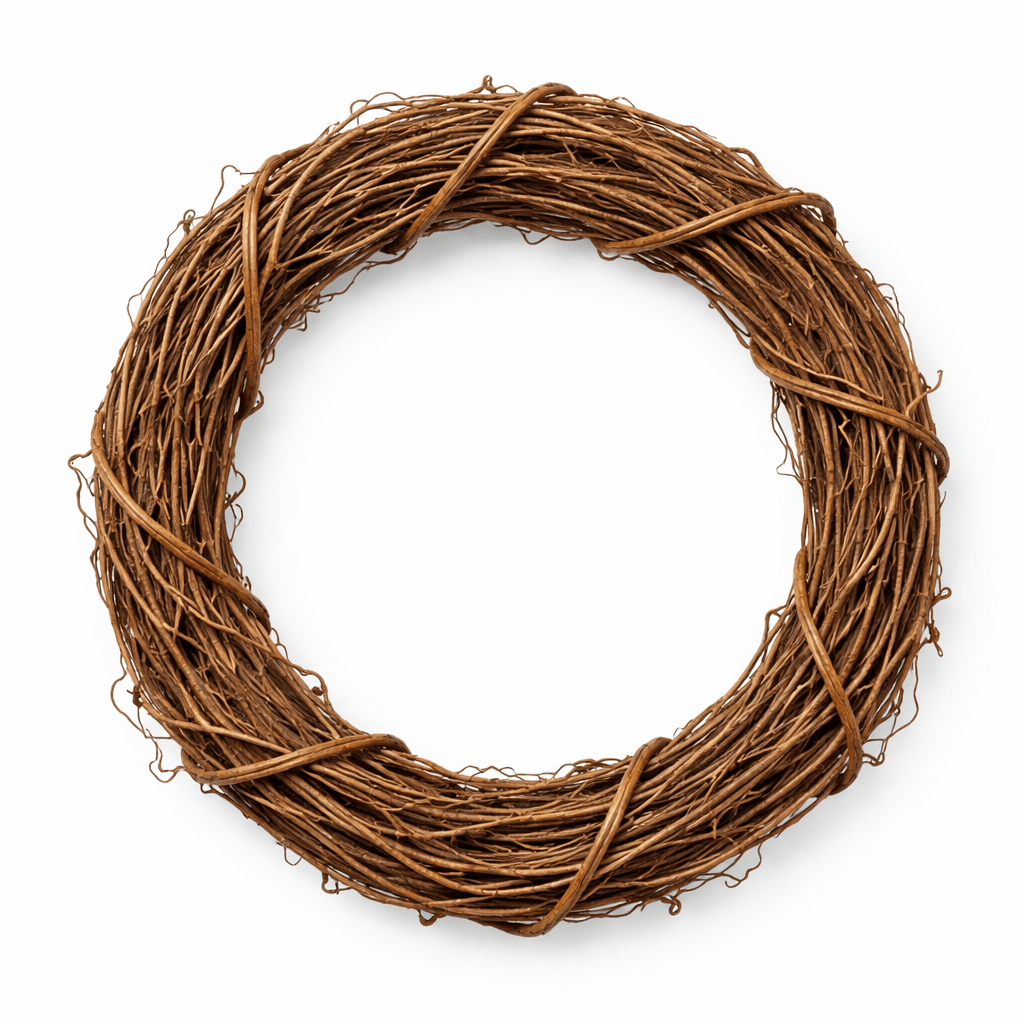
If you are new to home decor, selecting the right decorative base can feel surprisingly complicated. Many beginners, especially those decorating apartments, condos, and townhomes in NYC often struggle to decide which wreath foundation offers both beauty and practicality. With limited space, changing seasons, and a desire for stylish yet low-maintenance decor, making the right choice matters.
This complete beginner’s guide explains what grapevine wreath forms are, how they are used, why they are ideal for first-time decorators, and how to decorate them correctly. Whether you live in a compact NYC studio or a spacious family home, this guide will help you confidently incorporate grapevine wreaths into your decor without confusion or wasted effort.
What Are Grapevine Wreath Forms?
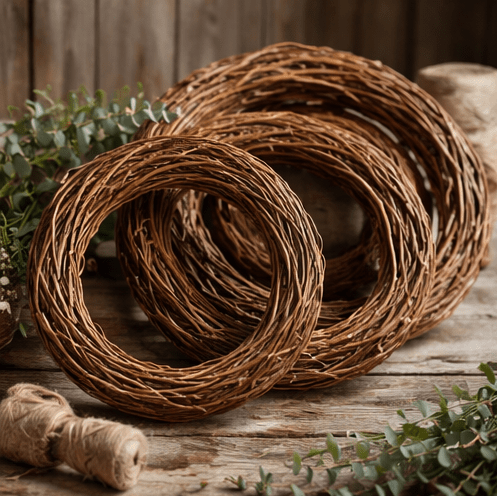
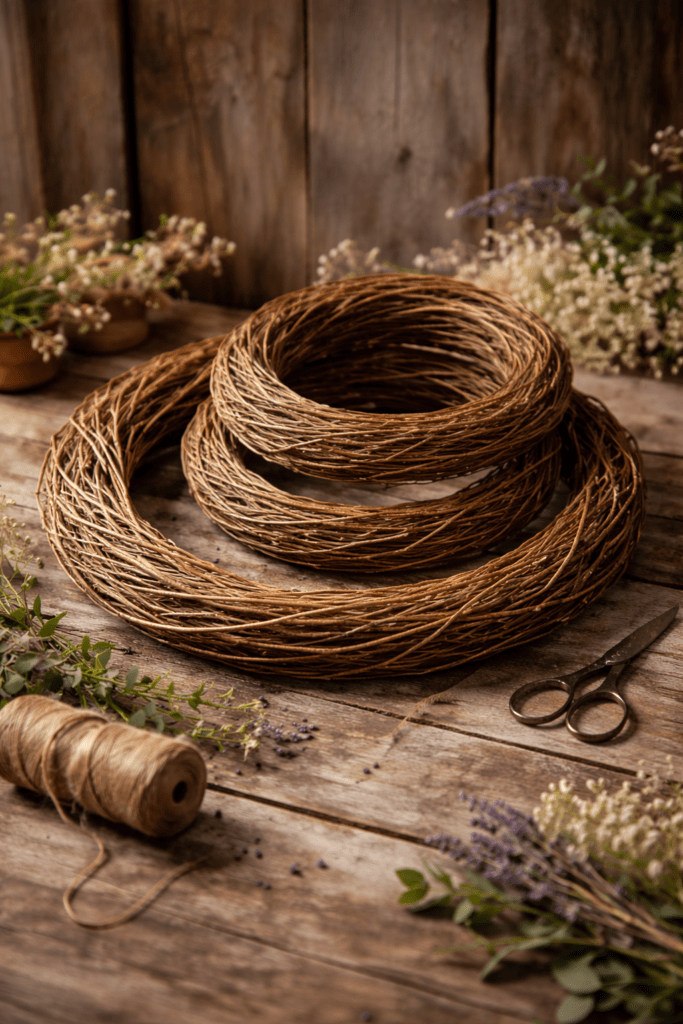
Grapevine wreath forms are natural wreath bases crafted by weaving dried grapevines into circular or decorative shapes. The vines are twisted, layered, and secured to create a sturdy yet flexible structure that holds decorative elements in place.
One defining feature of grapevine wreath forms is their organic texture. Because grapevines grow naturally, no two wreath bases look exactly the same. This uniqueness adds character and charm that manufactured wire or foam bases simply cannot replicate.
Unlike plain wreath frames, grapevine wreath form is visually appealing even before decorations are added. This makes them a popular choice in NYC homes, where decorators often prefer natural accents that soften modern interiors and add warmth without clutter.
What Are Grapevine Wreath Forms Used For?
Grapevine wreath forms are valued for their versatility. Beginners often choose them because they work well in many decorating scenarios without requiring advanced skills.
They are most commonly used for front door wreaths, interior wall decor, entryway accents, and mantel styling. In addition, they are ideal for seasonal decorations, including spring florals, summer greenery, fall foliage, winter evergreens, and holiday themes.
In NYC, where space is often limited, grapevine wreath form is especially popular because they can be refreshed seasonally without replacing the base. A single wreath form can be used year round simply by changing decorative elements, making it both practical and cost-effective.
Why Grapevine Wreath Forms Are Ideal for Beginners
For beginners, ease of use is one of the biggest advantages of grapevine wreath forms. Unlike wire or foam bases that require glue, pins, or specialized tools, grapevine wreaths allow decorators to tuck stems and accents directly into the vines.
Another benefit is forgiveness. The uneven, textured surface naturally hides small mistakes, uneven spacing, or imperfect placement. Many first-time decorators in NYC feel more confident working with grapevine wreaths because even simple designs look intentional and polished.
Additionally, grapevine wreath forms encourage creativity without pressure. Beginners can experiment with different styles, rearrange elements easily, and learn basic design balance without fear of ruining the base.
How Grapevine Wreath Form Enhance Home Decor Styling
Grapevine wreath forms blend seamlessly with a wide range of interior styles. Their neutral tones work well with rustic, farmhouse, modern, bohemian, and transitional decor themes.
They can be displayed on doors, layered over mirrors, mounted on walls, or used as table centerpieces. In NYC apartments, where wall space is valuable, a well-placed wreath adds visual interest without overwhelming the room.
Because grapevine wreaths feature natural materials, they complement wood, metal, glass, and stone finishes commonly found in urban interiors. This adaptability is one reason they remain a staple in trend-conscious NYC decor.
Sizes and Shapes of Grapevine Wreath Forms Explained
Grapevine wreath form is available in a variety of sizes, typically ranging from 8 inches to 24 inches in diameter. Choosing the right size depends on where the wreath will be displayed.
Small wreaths (8–12 inches): Ideal for interior walls, gallery arrangements, or layered decor.
Medium wreaths (14–18 inches): Best for apartment doors and compact entryways.
Large wreaths (20–24 inches): Create bold statements for spacious entrances or feature walls.
Round wreaths are the most common, but oval, square, and heart-shaped forms are also available. In NYC homes, medium-sized round grapevine wreath forms offer the best balance between style and spatial efficiency.
How to Decorate Grapevine Wreath Forms Properly
To secure decorations, you can weave stems directly into the vines or use floral wire for added stability. Hot glue can be used sparingly but is not always necessary.
Balance is essential. Overdecorating can hide the natural beauty of the grapevine base. Many professional decorators in NYC recommend leaving portions of the wreath visible to maintain an organic and refined look. A well-balanced design often feels more elegant than one that is heavily crowded.
Natural vs. Artificial Grapevine Wreath Forms
Natural grapevine wreath forms offer authentic texture and eco-friendly appeal. They feature subtle variations in color and thickness that enhance handcrafted designs. However, they may shed slightly over time, particularly in dry indoor environments.
Artificial grapevine wreath form are designed for durability and consistency. They maintain their shape better outdoors and perform well in humid or rainy conditions.
Many decorators choose natural wreath forms for indoor use and artificial versions for exterior doors, especially in NYC, where weather exposure can affect natural materials.
Common Mistakes Beginners Should Avoid
One of the most common beginner mistakes is using decorations that are too heavy. Excess weight can distort the wreath shape and shorten its lifespan.
Another issue is improper hanging. Nails or adhesive hooks can damage doors and walls. In NYC apartments, wreath hangers or removable hooks are recommended to protect surfaces and comply with rental agreements.
Beginners should also avoid overcrowding the design. Simple arrangements often appear more sophisticated and allow the grapevine texture to remain visible.
How Long Do Grapevine Wreath Forms Last?
When used indoors and cared for properly, grapevine wreath form can last several years. Outdoor exposure reduces durability, particularly in damp, humid, or rainy conditions.
To extend their lifespan, store wreaths in a dry, well-ventilated area away from direct sunlight when not in use. Proper storage helps maintain shape, color, and structural integrity.
Conclusion
Grapevine wreath forms offer a timeless, flexible, and beginner-friendly foundation for home decor. Their natural beauty, versatility, and ease of use make them an excellent choice for first-time decorators. From compact apartments to stylish homes across NYC, these wreath bases continue to inspire creative and practical decor solutions.
By understanding how grapevine wreath form are used, how to decorate them correctly, and how to care for them, beginners can confidently enhance their living spaces with elegant, reusable designs—whether styling for a season or creating a year-round accent in NYC.
FAQs
What are grapevine wreath forms made of?
They are made from dried grapevines harvested from vineyards. The vines are twisted and bound into decorative shapes, creating a strong and natural wreath base.
Are grapevine wreath forms good for beginners?
Yes. Their flexible structure allows decorations to be inserted easily, and the textured surface hides small mistakes, making them ideal for beginners.
What are grapevine wreath forms used for in home decor?
They are commonly used for front doors, interior walls, mantels, entryways, and seasonal décor, especially in space-conscious NYC homes.
Can grapevine wreath forms be reused?
Yes. Decorations can be removed and replaced, allowing the same base to be reused throughout the year.
Are grapevine wreath forms eco-friendly?
Natural grapevine wreath form are biodegradable and made from renewable materials, making them an environmentally friendly decor option.