If you’re exploring antique stalls and wondering how to identify a valuable vintage ashtray, you’re asking the right question especially in NYC, where competition among collectors is strong and hidden treasures move quickly. Many shoppers underestimate these small decor accents, yet certain pieces command impressive resale value. In fast-paced NYC antique markets, knowledge gives you an immediate advantage.
Fortunately, you don’t need professional training to recognize quality. Once you understand materials, maker’s marks, era indicators, rarity factors, and pricing trends, you can evaluate a vintage ashtray with confidence. This in-depth guide explains what makes a vintage ashtray rare, how valuation works locally, and how to buy strategically in NYC without overpaying.
Why Vintage Ashtrays Are Rising in NYC Home Decor
Interior styling trends across NYC increasingly favor meaningful accent pieces over mass produced decor. Designers and apartment dwellers alike look for conversation-starting objects that add personality to compact spaces. A sculptural vintage ashtray functions as both art and nostalgia.
Several factors drive demand in NYC:
- The continued popularity of mid-century modern interiors
- Growing interest in sustainable, secondhand decor
- Small-space styling trends in NYC apartments
- Collectible culture fueled by estate sales and flea markets
Because NYC buyers often prioritize uniqueness, rare vintage ashtray with strong design appeal sell faster than standard reproductions.
How to Identify a Valuable Vintage Ashtray
To identify a valuable vintage ashtray, examine the material quality, verify maker’s marks, assess condition carefully, confirm the production era, and evaluate rarity factors such as limited production or designer association. Authentic craftsmanship and scarcity significantly increase value in NYC antique markets.
Let’s examine each factor in depth.
Analyze the Material Quality
Material determines both decorative appeal and long-term value.
Murano Glass
Hand-blown Italian Murano pieces often feature:
- Air bubbles trapped inside the glass
- Bold swirls of color
- Thick, heavy construction
Authentic Murano glass feels substantial. Lightweight glass usually signals reproduction.
Cut Crystal
Crystal ashtrays are dense and refract light sharply. When tapped lightly, authentic crystal produces a ringing tone, unlike regular glass.
Brass and Bronze
Vintage brass develops a natural patina over time. However, heavy corrosion or flaking reduces value. Solid metal construction is preferable to plated versions.
Mid-Century Ceramics
Atomic shapes, asymmetry, and vibrant glazes are strong indicators of 1950s–1960s production.
In NYC antique markets, material alone can double or triple price differences.
Verify Maker’s Marks and Signatures
Authenticity dramatically impacts resale value.
Inspect the underside carefully for:
- Stamped logos
- Engraved initials
- Paper labels
- Country-of-origin markings
Research the mark before purchasing. Many NYC sellers price higher when a recognizable brand is present. However, some rare unsigned pieces still carry value due to design uniqueness.
Assess Condition Like a Collector
Condition grading directly affects investment potential.
Examine:
- Hairline cracks (hold under strong light)
- Rim chips
- Cloudiness in glass
- Repaired breaks
- Surface scratches
Minor wear is expected in vintage pieces. However, structural damage reduces resale potential significantly in NYC resale shops and online marketplaces.
Confirm the Era of Production
Understanding historical periods strengthens your ability to negotiate pricing in NYC.
Common eras include:
Art Deco (1920s–1930s): Geometric shapes, chrome, bold lines
Mid-Century Modern (1950s–1960s):Organic curves, atomic designs
Vintage Hotel Collectibles (1940s–1970s): Branded ashtrays from hospitality venues
The older and rarer the production era, the stronger the value provided condition remains good.
What Makes a Vintage Ashtray Rare?
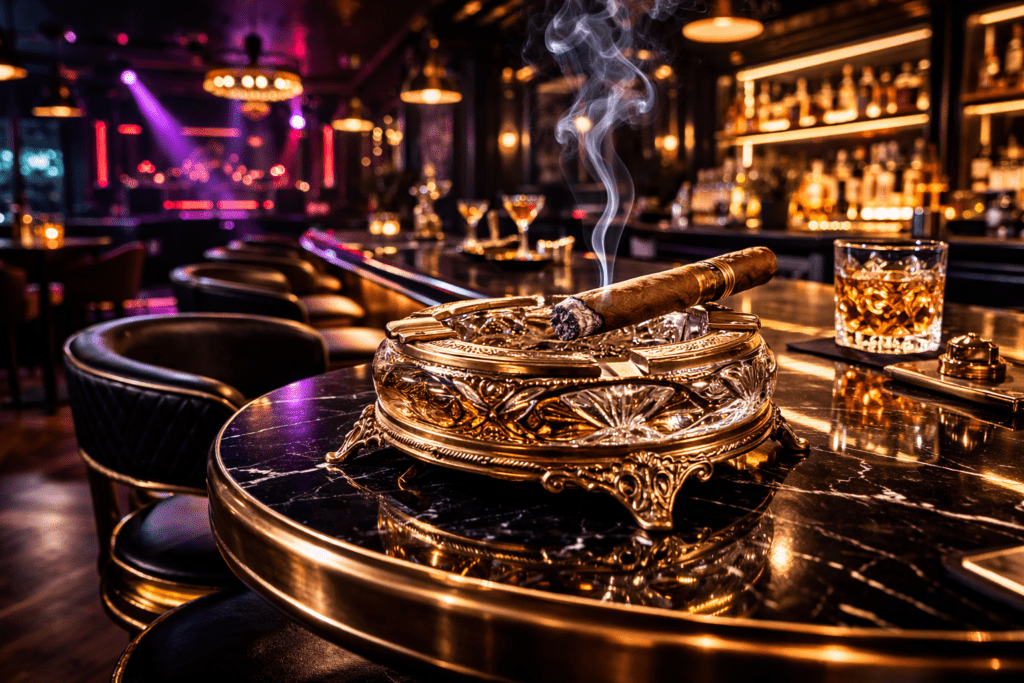
A vintage ashtray becomes rare when it has limited production numbers, distinctive design, premium materials, historical branding, or designer association. Scarcity combined with demand increases value in NYC collectible markets.
Here’s how rarity works:
Limited Production
Small-batch manufacturing or discontinued lines raise desirability.
Advertising & Hospitality Branding
Ashtrays from iconic hotels, airlines, or restaurants often carry nostalgia-driven demand in NYC collecting circles.
Sculptural or Artistic Design
Animal-shaped, abstract, or architectural pieces stand out as decor accents.
Rare Materials
Onyx, thick cut crystal, or hand-blown art glass increase exclusivity.
Designer Attribution
If a piece connects to a recognized designer, value rises considerably.
How Much Is a Vintage Ashtray Worth in NYC?
Pricing varies based on supply and demand within NYC.
Typical price ranges:
$25–$60 – Standard mid-century glass or ceramic
$75–$200 – Premium crystal or brass pieces
$250–$500+ – Rare Murano glass or designer examples
However, Manhattan antique stores may price higher than Brooklyn flea markets. Estate sales in NYC often provide better deals, especially if sellers prioritize quick turnover.
Always compare at least two vendors before purchasing.
Best NYC Antique Markets for Smart Buying
When shopping in NYC, consider:
Manhattan Antique Shops
Curated selections and higher-end pricing.
Brooklyn Flea Markets
Greater negotiation opportunities and diverse inventory.
Queens Estate Sales
Hidden treasures often appear in estate clear-outs.
Seasonal Antique Fairs
Large events gather vendors from across NYC.
Arrive early for best selection, but return later for negotiation leverage.
Common Buying Mistakes in NYC Markets
Even experienced buyers make costly errors.
Avoid:
- Purchasing modern reproductions labeled as vintage
- Ignoring fine cracks along the rim
- Overpaying due to impulse buying
- Skipping price comparisons
Additionally, always inspect under natural light when possible.
Styling a Valuable Vintage Ashtray as a Decor Accent
Even if you collect purely for decor, presentation matters.
In NYC apartments:
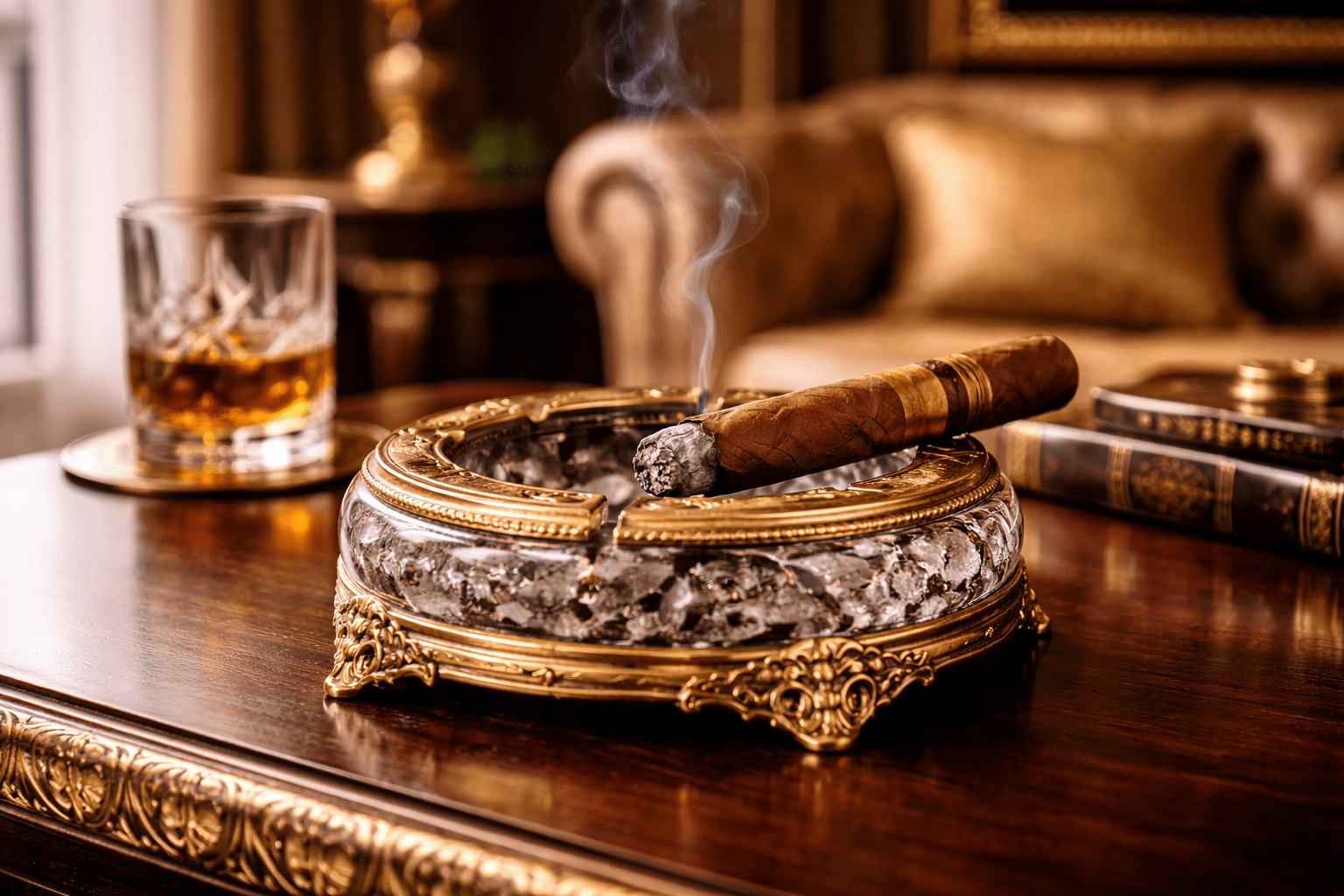
- Place it atop stacked coffee table books
- Style it on a brass bar cart
- Use it as a jewelry catchall
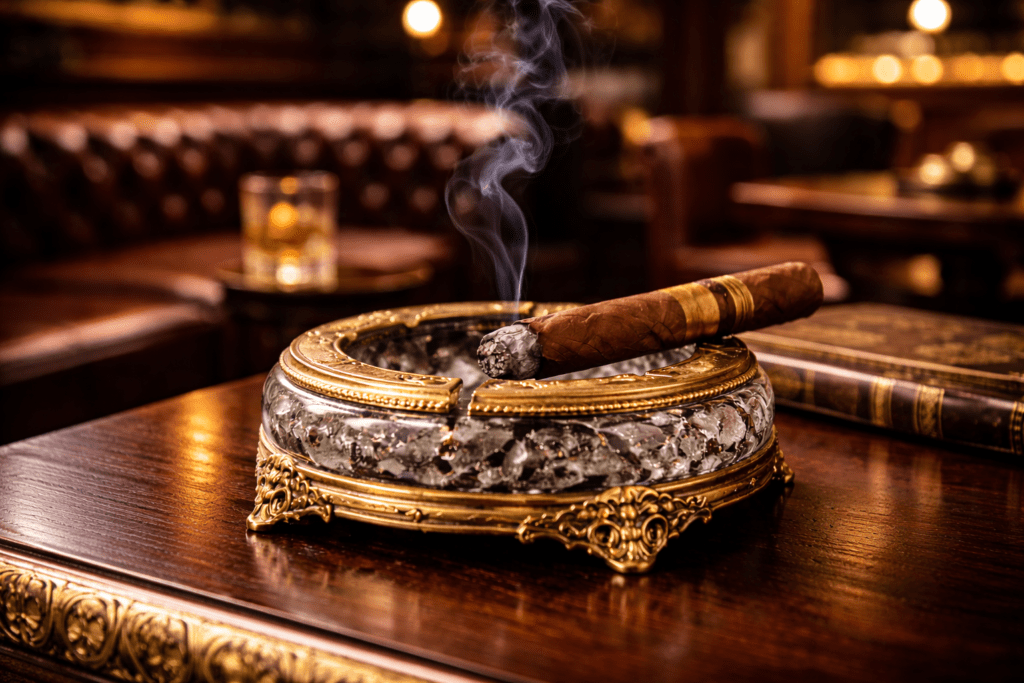
- Pair with marble or glass surfaces for contrast
This approach increases visual impact without overwhelming small spaces.
FAQs
How do I know if my vintage ashtray is valuable?
Check for premium materials, clear maker’s marks, minimal damage, rarity indicators, and era authenticity. These factors determine value.
What makes a vintage ashtray rare?
Limited production, designer branding, sculptural design, rare materials, and historical advertising connections create rarity.
Are vintage ashtrays worth money in NYC?
Yes. Collectors actively purchase high-quality mid-century and rare designer pieces across NYC antique markets.
Where can I find valuable vintage ashtrays in NYC?
You can explore Manhattan antique stores, Brooklyn flea markets, Queens estate sales, and seasonal antique fairs throughout NYC.
Final Thoughts
Learning how to identify a valuable vintage ashtray empowers you to shop strategically rather than emotionally. When you understand material quality, maker identification, era classification, and rarity signals, you gain confidence navigating competitive NYC markets.
In a city as dynamic as NYC, small collectible accents often carry surprising value. Approach each antique stall with patience, inspect carefully, compare pricing, and negotiate wisely. With informed decisions, your next visit to an NYC antique market could yield both a beautiful decor piece and a smart investment.