Unused corners often create visual gaps that interrupt an otherwise well-designed interior. Many homeowners struggle to find decor solutions that offer storage without overwhelming the room. This challenge becomes especially clear in NYC, where efficient design choices play a key role in everyday living. Learning how to choose the right floating corner wall shelf helps transform empty corners into functional and stylish focal points.
This guide covers all the essential details you should understand before making a purchase. You will explore floating corner wall shelf home decor ideas, understand the best material for floating corner wall shelf designs, and clearly learn how much weight can a floating corner wall shelf hold. By the end, you will be equipped to make a confident, long-term decor decision that works beautifully in modern homes.
What Is a Floating Corner Wall Shelf and Why It Matters
A floating corner wall shelf is a wall-mounted shelf designed to fit precisely into a corner while hiding its support system. Because the hardware remains concealed, the shelf appears to “float,” creating a clean and modern aesthetic.
This design works exceptionally well in NYC homes where maximizing vertical space improves both layout and flow. Unlike bulky furniture, these shelves preserve floor space while adding decorative interest. As a result, many designers recommend floating corner shelves as practical home decor accents that enhance both form and function.
How to Evaluate Your Space Before Choosing a Shelf
Before selecting a shelf, examine the corner where it will be installed. Measure wall height, depth, and angle carefully. Accurate measurements ensure the shelf fits proportionally and does not overpower surrounding decor.
Next, consider how the shelf will function. Decorative shelves display lightweight items, while storage-focused shelves must support heavier objects. In NYC, many homeowners use corner shelves to blend storage and style, which makes understanding usage essential before purchasing.
Best Material for Floating Corner Wall Shelf
Selecting the best material for floating corner wall shelf construction determines durability, safety, and visual impact.
Wooden Shelves
Wood shelves bring warmth and texture into a room. Solid wood offers excellent longevity, while engineered wood provides affordability with consistent finishes. Wooden shelves complement modern, rustic, and transitional interiors commonly seen in NYC apartments.
Metal Shelves
Metal shelves provide a sleek, contemporary look. They typically support heavier weight and resist warping over time. For minimalist or industrial spaces, metal shelves offer both strength and visual simplicity.
MDF Shelves
MDF shelves suit decorative use but handle less weight. They work best for styling accents rather than functional storage.
How Much Weight Can a Floating Corner Wall Shelf Hold?
Understanding how much weight can a floating corner wall shelf hold protects both your decor and your walls.
Average weight capacity depends on materials and installation:
Wooden shelves: 15–30 pounds
Metal shelves: 30–50 pounds
Reinforced floating systems: up to 60 pounds
However, wall type plays a major role. In NYC, walls may include drywall, studs, or masonry. Using the correct anchors and evenly distributing weight significantly improves shelf performance and safety.
Floating Corner Wall Shelf Home Decor Ideas
Floating corner wall shelf home decor ideas allow homeowners to style corners creatively without clutter.
Living Room Styling
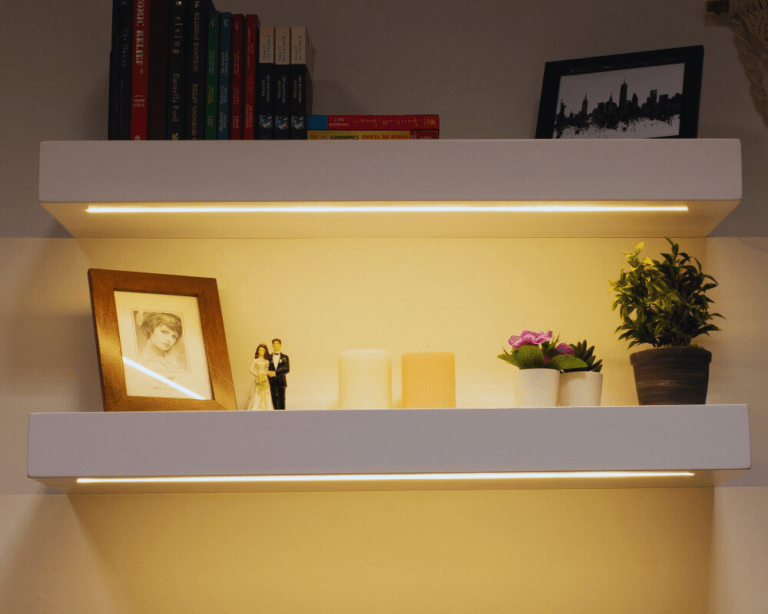
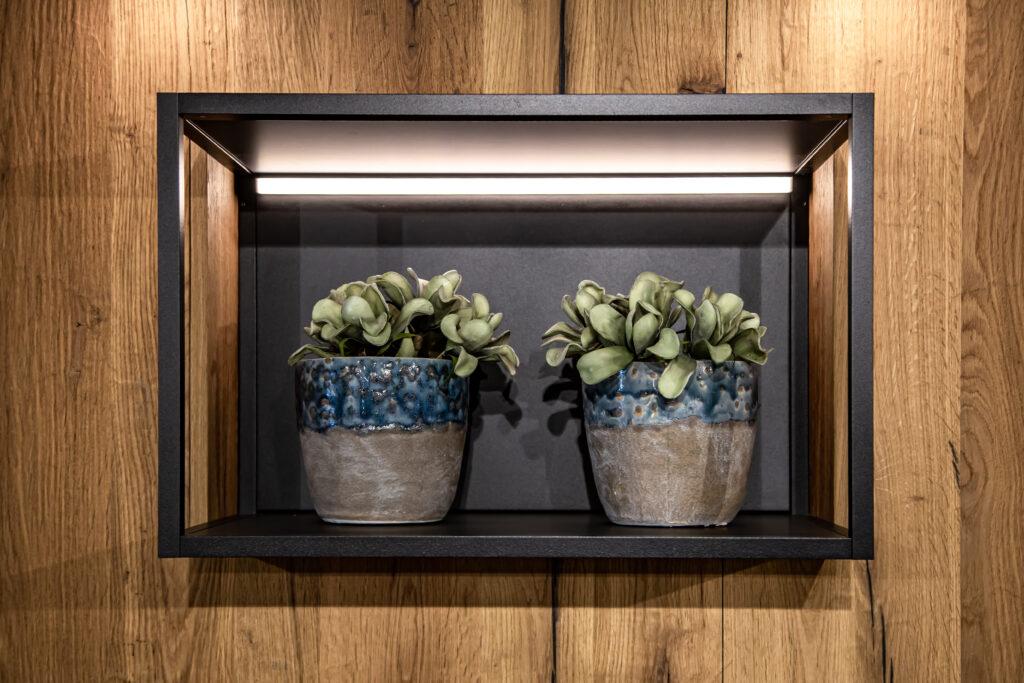
Display plants, framed artwork, or decorative objects. Layer heights and textures to add depth without overcrowding.
Bedroom Styling
Use shelves for candles, books, or personal accents. Soft decor choices help create a calm atmosphere, which many NYC homeowners value in compact bedrooms.
Kitchen and Bathroom Styling
Store jars, spices, or rolled towels. These shelves keep essentials accessible while maintaining a polished look.
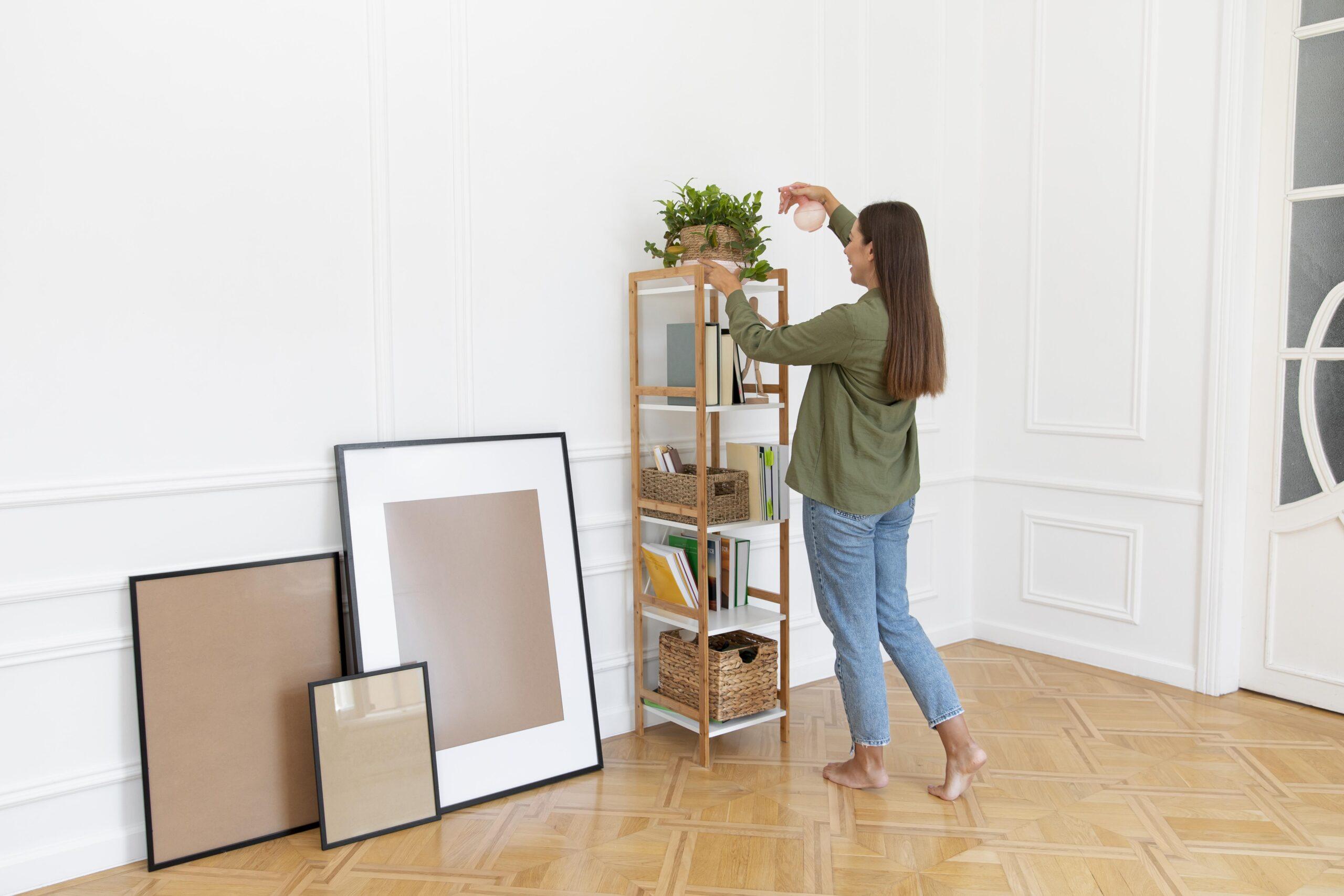
Matching Shelf Style With Interior Design
A shelf should complement the existing design language of your home. Minimalist interiors benefit from clean lines and neutral tones. Rustic spaces pair well with natural wood textures, while modern interiors favor sleek finishes.
Interior stylists in NYC often recommend matching shelf finishes with nearby furniture or hardware. This approach creates cohesion and visual balance across rooms.
Installation Tips for Long-Term Stability
Proper installation ensures safety and longevity. Always use a level to align shelves correctly. Choose anchors suited to your wall type and follow manufacturer instructions closely.
Additionally, avoid placing heavy items near shelf edges. In NYC, professional installation is often preferred, especially in older buildings where wall structures vary.
Common Mistakes to Avoid When Buying a Floating Corner Wall Shelf
Many homeowners prioritize appearance over function. Ignoring material strength, weight capacity, or wall compatibility can lead to shelf failure. Another common mistake involves overcrowding shelves, which reduces both visual appeal and stability.
Instead, plan decor intentionally. Balanced styling enhances both safety and aesthetics in NYC interiors.
Conclusion
Choosing the right floating corner wall shelf requires thoughtful planning, but the payoff is substantial. When you evaluate materials, weight limits, placement, and style, you create a decor feature that blends beauty with practicality. These shelves transform unused corners into purposeful design elements.
For modern homes and apartments in NYC, floating corner wall shelves remain a smart solution for maximizing space while maintaining a refined aesthetic.
FAQs
What size floating corner wall shelf should I choose?
Choose a size that fits the wall proportionally and supports your intended decor.
Are floating corner wall shelves easy to install?
Yes, most designs include hardware and clear instructions for installation.
Do floating corner wall shelves work in small spaces?
Yes, they maximize vertical space and reduce visual clutter.
Can floating corner wall shelves hold heavy decor items?
They can, provided you select the right material and install them properly in NYC-style walls.