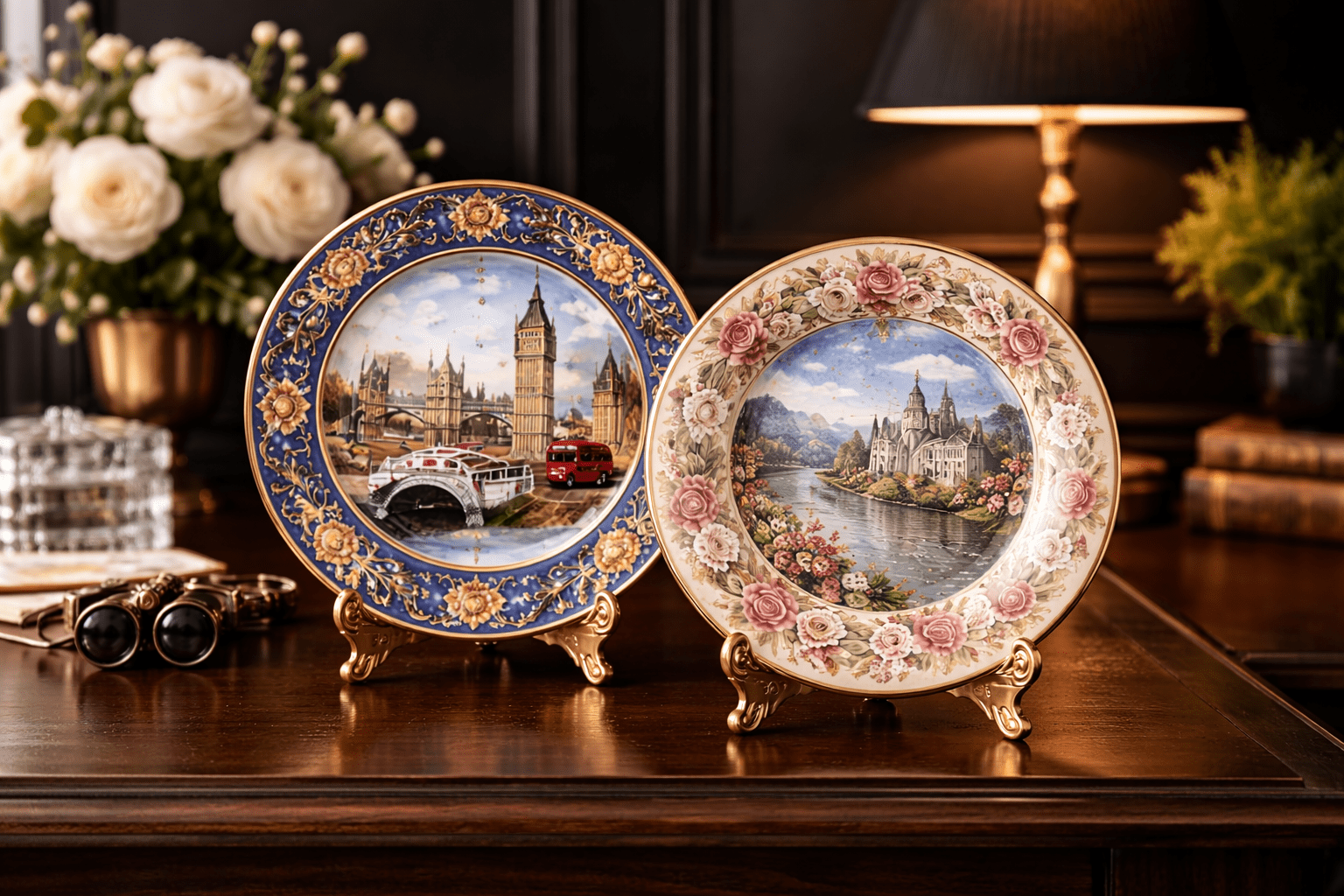
If you’ve ever wondered what makes a commemorative plate valuable, you are asking the same question serious collectors, decorators, and antique dealers ask every day. In a competitive market like NYC, where estate sales, auctions, and vintage boutiques constantly circulate collectible decor, understanding true value becomes essential. Many buyers assume age alone determines price, but that assumption often leads to disappointment.
The truth is simple: value comes from a combination of rarity, brand reputation, condition, historical importance, and current market demand. When you understand these elements, you can confidently evaluate any piece you encounter. In this in-depth guide, you will learn how to determine commemorative plate value, discover exactly what increases the value of a commemorative plate, analyze commemorative plate value in NYC, and explore the design potential of using commemorative plates as home decor accents.
What Makes a Commemorative Plate Valuable?
A commemorative plate becomes valuable when it meets five core criteria:
- Limited production or rarity
- Recognized manufacturer
- Excellent condition
- Cultural or historical relevance
- Strong buyer demand
When these factors align, the plate moves from decorative object to collectible asset. However, if even one factor is weak such as damage or mass production—the value can drop significantly.
The Foundation of Value: Rarity and Scarcity
Scarcity drives nearly every collectibles market. If a manufacturer produced 500 plates instead of 50,000, collectors naturally compete more aggressively.
Limited Editions vs Open Editions
Limited edition plates typically display production numbers such as No. 150 of 2,000. Smaller runs often translate to higher resale value. Open edition plates, on the other hand, were produced without strict limits and therefore usually appreciate less.
In NYC, where collector communities are active, rare limited editions often sell quickly at estate auctions.
Discontinued Series
If a manufacturer stops producing a particular series, scarcity increases over time. As availability declines, demand can rise—especially in competitive urban markets like NYC.
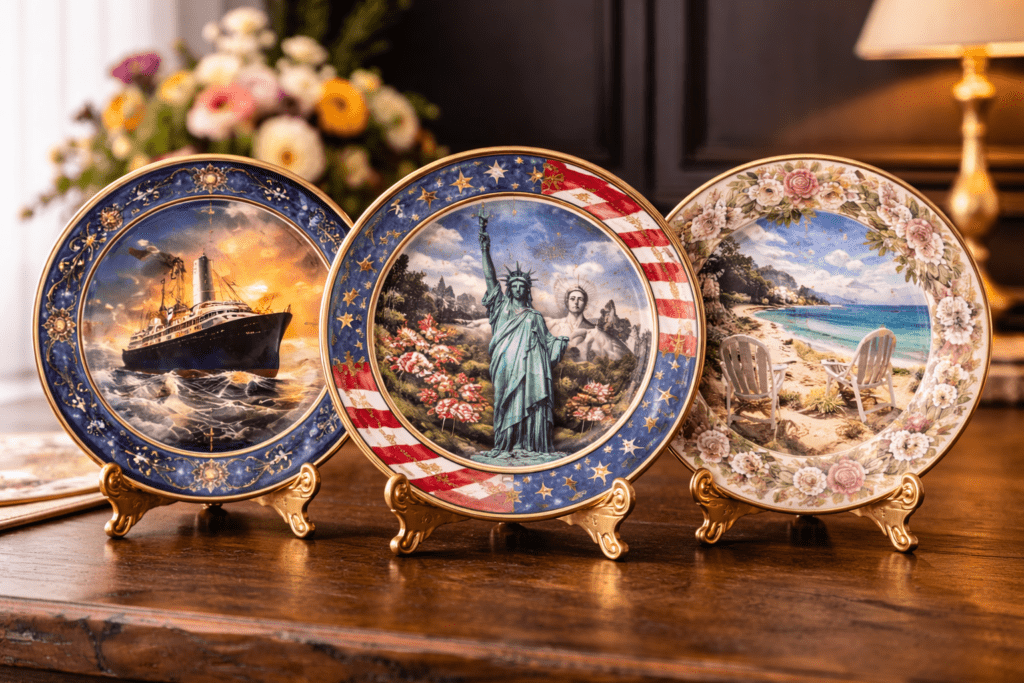
Brand Reputation and Manufacturer Influence
Not all commemorative plates are equal. Brand recognition significantly influences price stability.
Manufacturers built reputations for craftsmanship and premium porcelain quality. Collectors trust established brands because they maintain consistent artistic standards and historical credibility.
When evaluating how to determine commemorative plate value, always begin with the maker’s mark. Plates from lesser-known factories may still hold value, but recognized brands often perform better in resale markets, especially in NYC antique districts.
Condition: The Silent Value Multiplier
Condition dramatically impacts pricing. Even rare plates lose value if they show damage.
What Collectors Look For:
- No chips or cracks
- No discoloration or fading
- No restoration marks
- Clean glaze surface
- Intact gold trim
Mint-condition pieces command premium prices. In NYC, where buyers carefully inspect collectibles before purchase, visible flaws reduce negotiating power.
Additionally, original packaging and certificates of authenticity significantly boost resale appeal. Many collectors consider the box part of the collectible itself.
Historical and Cultural Significance
A plate’s theme often determines emotional and financial value.
Event-Based Plates
Plates commemorating royal weddings, presidential inaugurations, or historic anniversaries frequently attract attention.
Artist Collaboration
Some commemorative plates feature artwork by recognized illustrators. Signed or hand-painted plates usually command higher prices.
Cultural Relevance
Themes that resonate with collectors such as major world events or iconic historical milestonesoften outperform generic decorative designs.
In NYC, culturally significant pieces sometimes attract international buyers, further strengthening market demand.
Market Demand and Regional Trends
Even rare plates require demand to sustain value. That is why commemorative plate value in NYC may differ from national averages.
NYC has:
- A strong estate sale market
- Active interior designers seeking vintage decor
- High collector density
- Competitive antique fairs
Because NYC buyers often combine decorative appeal with collectible interest, visually striking plates sometimes outperform purely historical ones.
Furthermore, market trends shift. Certain themes gain popularity for a decade and then cool. Therefore, research remains essential.
What Increases the Value of a Commemorative Plate?
What increases the value of a commemorative plate? The answer involves multiple layered factors:
- Smaller production numbers
- Recognized brand reputation
- Perfect physical condition
- Original packaging and documentation
- High current collector demand
- Strong historical or artistic significance
When all six factors combine, the plate achieves premium status in both auction and private sale markets.
To properly showcase and protect a valuable plate, choosing the right commemorative plate stand ensures both stability and an elegant display.
Authentic vs Reproduction Plates
Authenticity protects your investment. Reproductions often mimic original designs but lack collectible credibility.
How to Spot Authentic Plates:
- Clear, detailed backstamp
- Proper weight and porcelain quality
- Manufacturer date codes
- Limited edition numbering
- High-quality glaze and printing
Reproductions typically have blurry markings or inconsistent numbering. In competitive markets like NYC, experienced buyers quickly identify replicas.
If you are serious about understanding how to determine commemorative plate value, authenticity verification must be your first step.
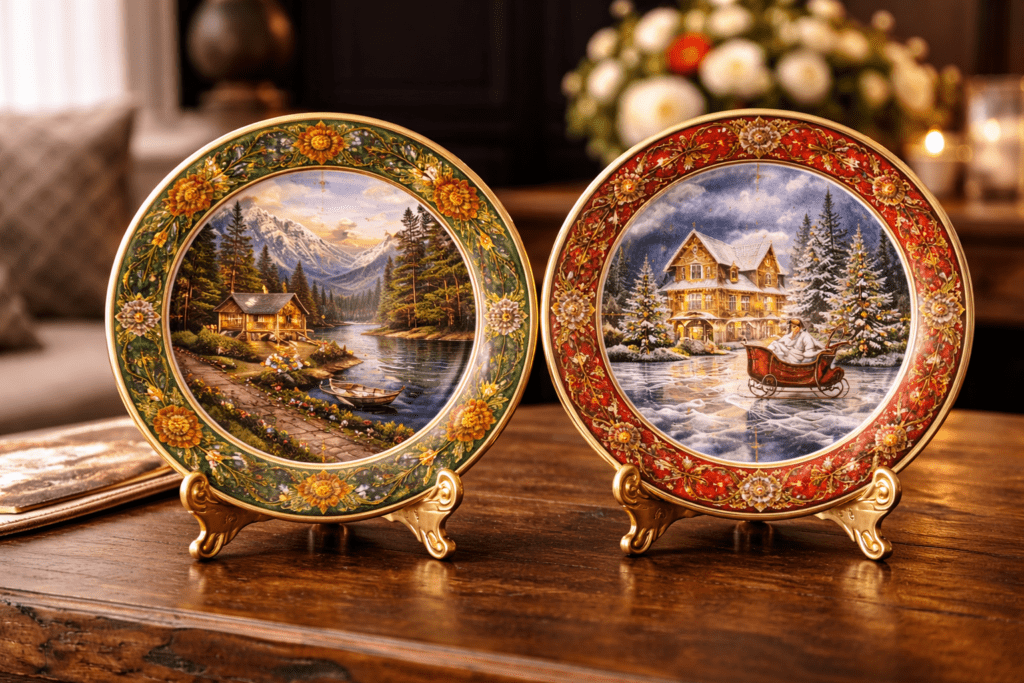
Investment Perspective: Realistic Expectations
Many people ask whether commemorative plates generate strong financial returns. The answer depends on selection and patience.
Unlike stocks, plates appreciate gradually. Rare and highly desirable pieces can rise in value over decades, particularly if preserved in mint condition.
However, mass-produced plates from the 1970s and 1980s often have modest resale prices today. Therefore, selective purchasing remains critical especially in NYC, where market competition influences pricing.
Using Commemorative Plates as Home Decor Accents
While investment matters, design appeal plays an equally important role. Many collectors now focus on using commemorative plates as home decor accents.
In modern NYC apartments, wall-mounted plate displays add texture and storytelling. Instead of hiding collectibles in cabinets, homeowners integrate them into gallery walls.
Design Strategies:
- Arrange plates symmetrically for balance
- Mix vintage plates with minimalist furniture
- Use neutral backgrounds to highlight intricate artwork
- Install secure mounts to preserve condition
By blending decor with collectibility, you increase both aesthetic and resale potential.
Common Value-Reducing Mistakes
Avoid these errors to protect your investment:
- Cleaning with abrasive materials
- Exposing plates to humidity
- Removing original packaging
- Overpaying without research
- Ignoring local NYC pricing trends
Smart collectors prioritize preservation and data-driven buying decisions.
Frequently Asked Questions
How do I know if my commemorative plate is worth money?
Check the brand, production size, condition, and recent auction sales. Comparing listings within NYC markets can provide realistic pricing benchmarks.
Are limited-edition commemorative plates more valuable?
Yes, limited editions typically hold stronger value due to scarcity and collector competition.
Should I keep commemorative plates in their original box?
Absolutely. Original packaging increases resale appeal and often boosts final selling price.
Does commemorative plate value in NYC differ from other cities?
Yes. Because NYC has an active antique and decor scene, demand levels can shift pricing upward for rare or visually appealing pieces.
Final Thoughts
Understanding what makes a commemorative plate valuable requires careful evaluation of rarity, condition, authenticity, brand, and demand. When you apply these principles, you gain confidence in both collecting and decorating decisions.
Moreover, commemorative plate value in NYC reflects a dynamic market shaped by collectors, designers, and estate sales. Therefore, research, patience, and strategic buying remain your greatest tools.
Whether you collect for investment, passion, or design inspiration, informed choices will always produce better long term results.